Introduction
Cryptocurrency has transitioned from a niche technological experiment to a mainstream financial asset. As adoption increases, so does the conversation surrounding its ethical, legal, and economic implications. While it offers groundbreaking features like decentralization and financial inclusion, it also presents new challenges—from market instability to misuse for unethical purposes. Amid this dynamic landscape, Sidra Chain emerges as a decentralized blockchain network guided by Shariah principles, offering a structured, moral alternative for responsible users worldwide.
The Promise of Cryptocurrency
1. Decentralization and Financial Sovereignty
Cryptocurrencies remove the need for central banks and third-party intermediaries. This decentralization empowers individuals to manage their own funds, transfer money instantly, and avoid traditional banking restrictions.
2. Faster and Cheaper Cross-Border Payments
Unlike traditional financial systems that often involve lengthy processing times and hidden fees, cryptocurrencies offer nearly instant global transactions with minimal costs.
3. Access for the Unbanked
Cryptocurrency platforms open financial opportunities to billions of people lacking access to traditional banking services. All that’s needed is a smartphone and internet access.
4. Innovation and Programmability
With smart contracts and decentralized applications (dApps), cryptocurrency networks support new ways of creating agreements, managing assets, and building transparent business ecosystems.
The Problematic Aspects of Cryptocurrency
Despite its benefits, cryptocurrency is far from perfect. Several issues limit its credibility and ethical viability:
1. Volatility and Unpredictability
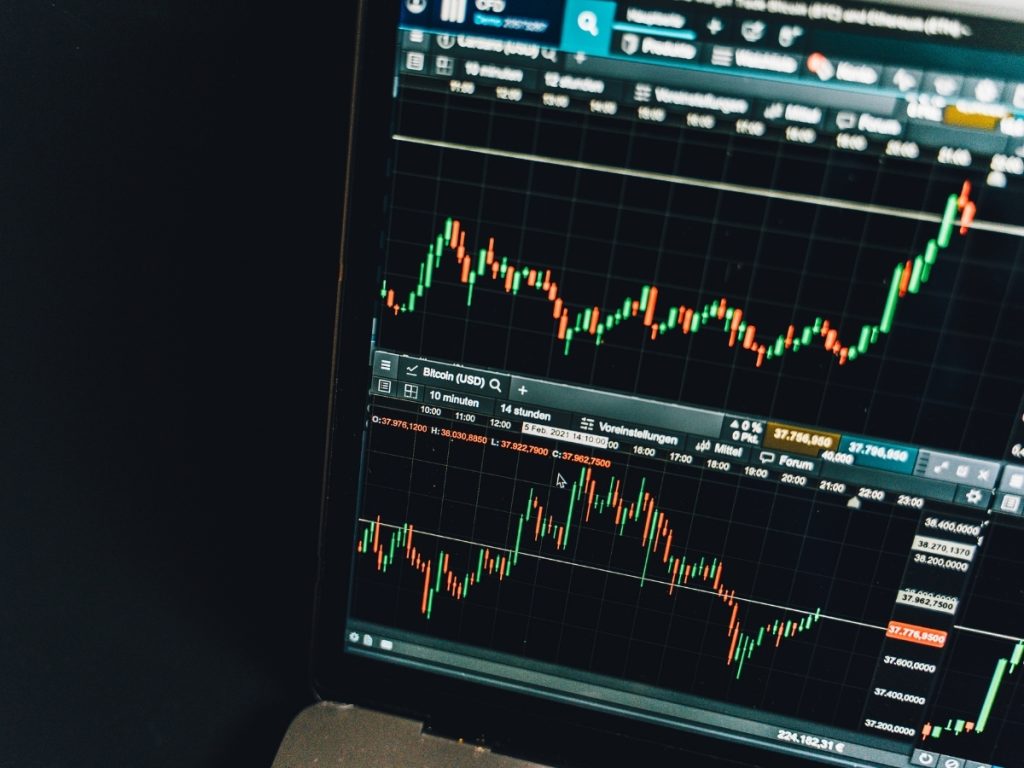
Cryptocurrency prices are highly unstable. The value of coins can plummet within hours, making them unreliable as a store of value or medium of exchange for average users.
2. Security Concerns and Scams
Hackers target crypto exchanges, wallets, and even decentralized platforms. Phishing, rug pulls, and Ponzi schemes are frequent, costing investors millions of dollars annually.
3. Lack of Regulation
Many crypto ecosystems operate in legal gray areas. While this encourages innovation, it also fosters illegal activity—such as tax evasion, money laundering, and unlicensed fundraising.
4. Ethical and Religious Conflicts
Some cryptocurrency projects directly or indirectly support prohibited industries (like gambling, alcohol, or interest-bearing finance), which pose conflicts for users seeking ethical or faith-aligned participation.
Sidra Chain: A Value-Centered Blockchain Network
Sidra Chain positions itself as a solution to many of cryptocurrency’s ethical dilemmas. Built on the foundation of Islamic finance, it adheres to principles such as justice, fairness, and social responsibility while offering all the benefits of a decentralized blockchain network.
Launched to bring together technological innovation and moral clarity, Sidra Chain offers a new paradigm for ethical digital finance—open to Muslims and anyone who prioritizes values-based systems.
Key Features of Sidra Chain
1. Shariah-Compliant Design
Sidra Chain ensures that its entire ecosystem is free from riba (interest), gharar (excessive uncertainty), and haram (prohibited activities). This includes a rigorous screening of all financial activities and smart contracts.
2. SDA Token and Eco-Friendly Mobile Mining
The native token, SDA, is designed for accessibility and sustainability. Users can mine it through a mobile app, eliminating the environmental burden of traditional mining methods.
3. Sidra Bank Integration
Sidra Bank is an extension of the ecosystem that provides Shariah-compliant digital banking solutions such as P2P transfers, halal lending, and asset management—all rooted in Islamic principles.
4. Transparent and Auditable Transactions
Every transaction on Sidra Chain is recorded on a public ledger, offering complete visibility. This is particularly important for donations, zakat contributions, and investment funds, where transparency builds trust.
5. Halal Investment Tools
From sukuk (Islamic bonds) to profit-sharing contracts like Mudarabah and Musharakah, Sidra Chain empowers users to invest ethically and grow their wealth without compromising their values.
Sidra Chain in Practice
Sidra Chain is more than a theoretical model. Its ecosystem supports real-world applications across finance, charity, and business.
- Charity and Zakat: Trackable donations ensure funds reach intended beneficiaries without mismanagement or delay.
- Small Business Financing: Entrepreneurs can raise capital using compliant contracts without paying interest or risking unlawful conditions.
- Faith-Based Investments: Investors can participate in asset-backed tokens, ethical crowdfunding, and more—all with religious assurance.
- Community Governance: Decisions on network upgrades and usage follow democratic principles, giving users a voice.
Why Sidra Chain Matters
Sidra Chain is significant not just for its technological framework, but for its ethical foundation. In a digital world where finance often prioritizes speed and profit over values, Sidra Chain reintroduces responsibility, transparency, and spirituality into economic life.
It stands as a vital solution for:
- Muslim investors seeking Shariah-compliant crypto options
- Ethical investors disillusioned with speculative finance
- Developers building value-aligned decentralized apps
- Nonprofits seeking traceable, efficient fundraising tools
Comparative Overview
| Feature | Typical Cryptocurrency | Sidra Chain |
|---|---|---|
| Regulatory compliance | Often lacking | Built-in Shariah governance |
| Token mining method | High energy use | Mobile-based, energy-efficient |
| Ethical investing | No screening | Strict religious and moral filters |
| Transparency for charity | Rare | Full tracking and auditability |
| Interest-based products | Common | Strictly prohibited |
Challenges and Future Outlook
Sidra Chain is pioneering a relatively new space. It must overcome several hurdles, such as:
- User Education: Making users understand how Shariah-compliant finance works within crypto.
- Network Effect: Attracting enough users, developers, and investors to scale the ecosystem.
- Global Regulation: Navigating laws across multiple jurisdictions without compromising its ethics.
However, with increasing demand for ethical alternatives and rising distrust in traditional financial systems, Sidra Chain is well-positioned for growth.
Conclusion
Cryptocurrency continues to reshape the world’s financial infrastructure—but not without controversy. While it promises empowerment and decentralization, it often neglects ethics, transparency, and responsibility. Sidra Chain is a timely and transformative response to this imbalance. By fusing blockchain innovation with Islamic finance principles, it opens the door to a future where digital assets can be both powerful and principled.
As we move deeper into the digital economy, platforms like Sidra Chain remind us that technology doesn’t have to abandon ethics to drive progress—it can, in fact, be built upon them.